

Latest News
Stay up to date with the latest research, product updates, events, and announcements from Ludger.
Trusted Enzymes for Complete Glycan Analysis
Oxford, UK — Jul 2026

For over two decades, Ludger and QA-Bio have partnered to deliver high-quality, reliable solutions for glycan analysis. This long-standing collaboration brings together deep expertise and a shared commitment to supporting scientists with tools they can trust. Today, Ludger proudly offers a comprehensive range of QA-Bio enzymes, designed to support every stage of glycan characterisation workflows.
From efficient glycan release using industry-standard PNGase F and convenient CarboRelease kits, to detailed structural analysis with Endoglycosidase F variants and Endoglycosidase H, these enzymes provide the precision required for accurate and reproducible results. Complementing this are highly specific exoglycosidases, enabling stepwise glycan sequencing and fine structural elucidation.
Whether you are working in biopharmaceutical development, quality control, or academic research, this integrated portfolio simplifies complex workflows and enhances confidence in your data. By combining Ludger’s analytical expertise with QA-Bio’s enzyme excellence, researchers gain access to a seamless toolkit for glycomics studies.
Explore the full range of QA-Bio enzymes available through Ludgerand discover how our trusted partnership continues to support innovation in glycoscience.
Ludger Highlights GlycoTechnology Innovation @ 95th Harden Conference
Oxford, UK — Jul 2026

Dr Daniel Spencer (Head of Development) recently presented at the 95th Harden Conference with a talk titled “From Glycan Discovery to Clinical Diagnostics: Are We Ready to Translate Glycomics?”, highlighting the growing potential of glycoscience to support future advances in diagnostics, biotechnology, and healthcare.
Ludger continues to advance the development and application of glycan analysis technologies, supporting researchers and organisations seeking better to understand the complex role of glycosylation in biological systems. Recent work from the Ludger team demonstrates the company’s capabilities in glycopeptide mapping, delivering detailed insights into glycan structures and their relationship to protein biology, including the analysis of immunoglobulin G (IgG), a widely studied glycoprotein model for understanding glycosylation patterns and biological function.
By combining specialist glycan science with advanced analytical capabilities, Ludger supports customers in generating meaningful data from complex biological samples, enabling applications across biopharmaceutical development, biomarker research, and next-generation therapeutic discovery. Through its analytical services, technical collaborations, and future technology development initiatives, Ludger continues to work with partners to advance innovative glycotechnology solutions and address evolving challenges in biotechnology and healthcare.
If your organisation's vision and objectives align with ours, we would like to invite you to collaborate with us to develop innovative glycomics solutions! Please register your interest and contact us at info@ludger.com. We look forward to hearing from you.
Join Ludger at PEGS Boston 2026
Boston, USA — May 2026

Ludger is delighted to announce that Dr Radoslaw P. Kozak will be representing the company at PEGS Boston 2026, one of the world’s leading conferences for protein and antibody engineering.
Dr Kozak will present a scientific poster highlighting Ludger’s latest advances in comprehensive glycosylation analysis for biopharmaceutical development. The poster showcases regulatory‑aligned workflows for sialic acid analysis, monosaccharide composition, and detailed N‑glycan characterisation.
Throughout the conference, Dr Kozak will be available to discuss analytical strategies that support deeper understanding of critical quality attributes, therapeutic performance, and regulatory compliance across biologics, biosimilars, and advanced therapies.
Visit the PEGS Boston website | View Ludger’s PEGS 2026 poster
PhD Position Available – GLYCOCALYX Doctoral Network (Marie Skłodowska-Curie)
Oxford, 6th March 2026
Ludger Ltd is pleased to announce a fully funded PhD position within the Horizon Europe Marie Skłodowska-Curie Doctoral Network GLYCOCALYX.
The successful candidate will work on “Analysis of glycocalyx glycans using novel LC-FD-MS chromatography techniques”, developing advanced analytical methods to characterise the complex glycans that form the mammalian glycocalyx. The project focuses on improving high-resolution glycan analysis using innovative LC-FD-MS workflows, including approaches to distinguish biologically important sialic acid linkages.
The position will be based at Ludger Ltd (Abingdon, UK) with PhD enrolment at the University of Porto, and includes collaboration with partners across the GLYCOCALYX network, including research stays at i3S in Portugal.
The GLYCOCALYX Doctoral Network brings together 15 leading European academic and industrial partners to train PhD researchers in multidisciplinary approaches spanning chemistry, physics and biology to better understand the structure and barrier functions of the mammalian glycocalyx.
Application deadline: 3 April 2026 (17:00 UK time)
Location: Ludger Ltd, Culham Campus, Abingdon, UK
Apply via email: daniel.spencer@ludger.com | Visit GLYCOCALYX Project Page
Glycomic Markers Show Promise for Predicting COVID‑19 Outcomes
Oxford, March 2026
We are pleased to announce the publication of “Total plasma N‑glycomic patterns of COVID‑19 disease” (Elgood-Hunt et al., Glycoconjugate Journal), funded by Innovate UK.
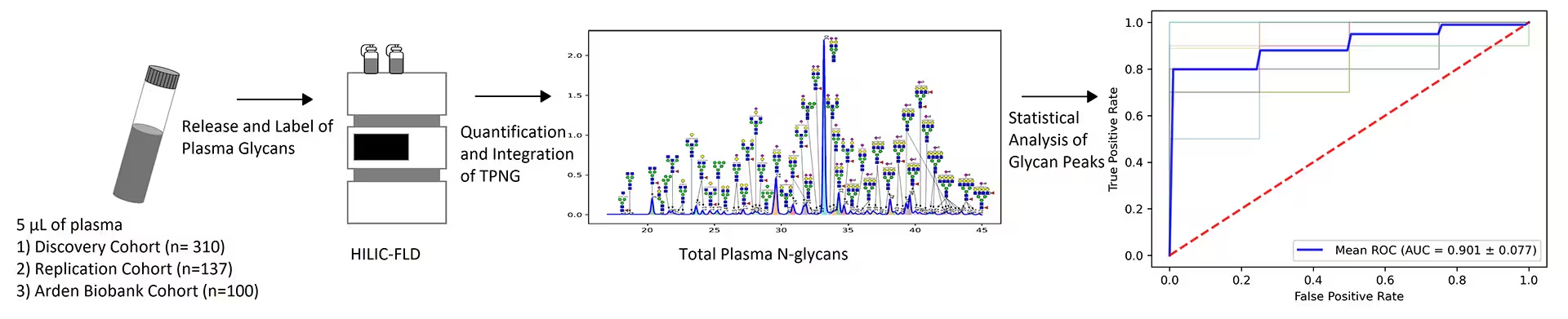
This landmark study analysed over 500 plasma samples to map disease‑related glycomic changes. The research identified distinct N‑glycan signatures associated with disease severity, ICU admission, and mortality.
Two glycan peaks showed particularly strong associations: peak 61 (A4G4S4F) was elevated in severe disease, and peak 29 (FA2G2S2) was reduced in severe disease. These findings highlight significant glycoprotein pathway alterations in response to SARS‑CoV‑2 infection.
Learn more about Biomarker Discovery | View our Publications
Ludger a Proud Sponsor of the Extracellular Matrix Biology Across Tissue Sites Meeting
Manchester, UK — April 2026

As one of the official sponsors of this year’s “ECM Biology Across Tissue Sites” meeting, Ludger is pleased to support a programme that advances understanding of extracellular matrix biology. This meeting will take place at the University of Manchester from 13th to 14th April 2026.
Our colleagues, Dr Archana Shubhakar (Head of Business Development) and Carlos Pérez (Scientist), will be attending. If you would like to connect for a conversation regarding our latest scientific presentations, we would be delighted to hear from you.
Accelerate Confident Alpha Gal Detection with Ludger’s Exoglycosidase Sequencing Workflow
May 2026
As regulatory expectations tighten, robust detection of the α Gal (Galα1 3Gal) epitope has never been more critical. Alpha Gal can compromise both the safety and efficacy of biologics, yet its structural masking makes it notoriously challenging to monitor.
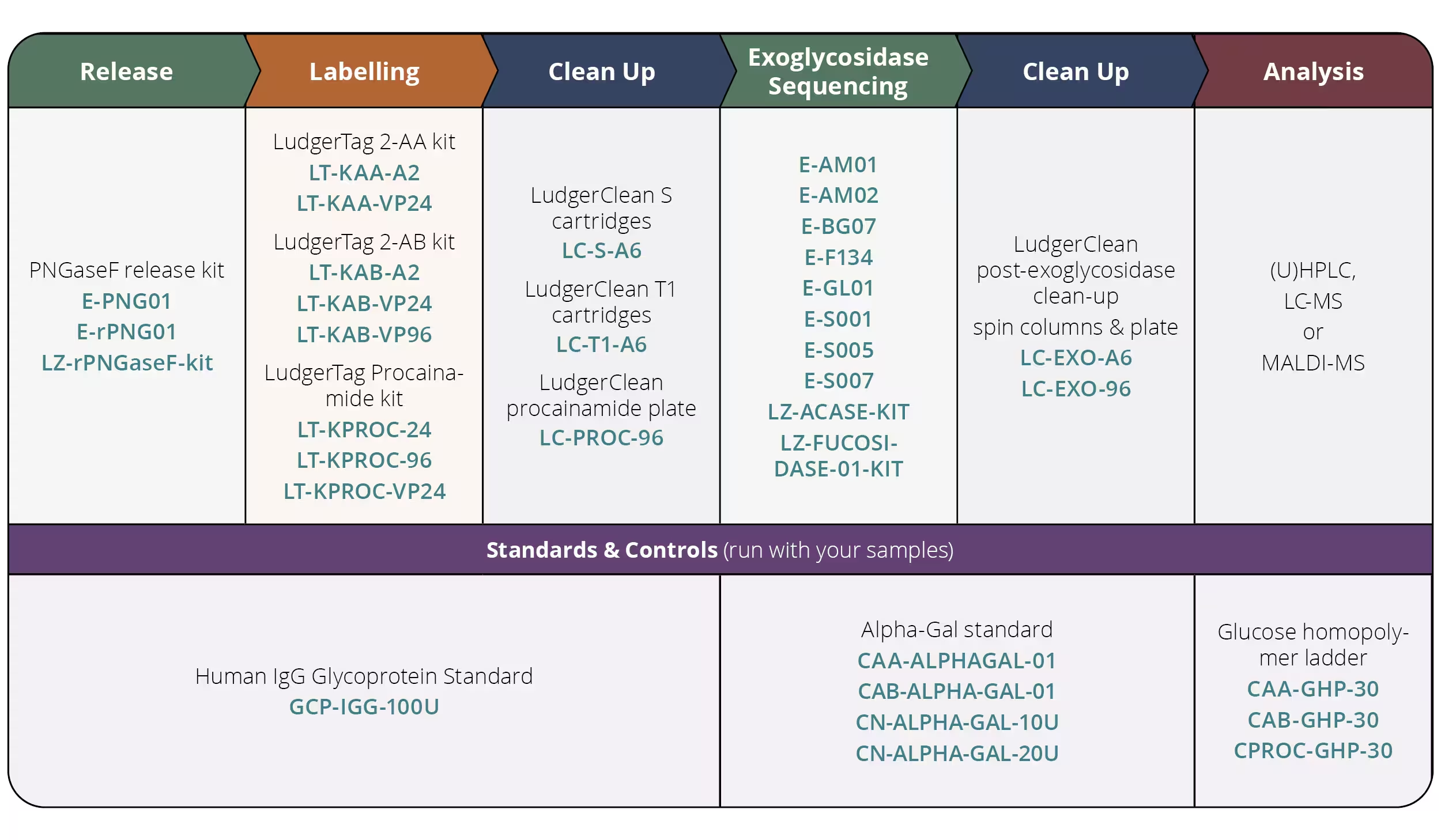
Ludger’s proven workflow combines N glycan release, fluorescent labelling, targeted exoglycosidase digestion, and high-resolution LC-based analysis. Using enzymes such as α-galactosidase and sialidase enables unambiguous structural confirmation of α-Gal-containing glycans.
PhD Position Available – GLYCOCALYX Doctoral Network (Marie Skłodowska-Curie)
Oxford, 6th March 2026
Ludger Ltd is pleased to announce a fully funded PhD position within the Horizon Europe Marie Skłodowska-Curie Doctoral Network GLYCOCALYX.[cite: 1]
The successful candidate will work on “Analysis of glycocalyx glycans using novel LC-FD-MS chromatography techniques”, developing advanced analytical methods to characterise the complex glycans that form the mammalian glycocalyx.[cite: 1] The project focuses on improving high-resolution glycan analysis using innovative LC-FD-MS workflows, including approaches to distinguish biologically important sialic acid linkages.[cite: 1]
The position will be based at Ludger Ltd (Abingdon, UK) with PhD enrolment at the University of Porto, and includes collaboration with partners across the GLYCOCALYX network, including research stays at i3S in Portugal.[cite: 1]
The GLYCOCALYX Doctoral Network brings together 15 leading European academic and industrial partners to train PhD researchers in multidisciplinary approaches spanning chemistry, physics and biology to better understand the structure and barrier functions of the mammalian glycocalyx.[cite: 1]
Application deadline: 3 April 2026 (17:00 UK time)
Location: Ludger Ltd, Culham Campus, Abingdon, UK[cite: 1]
Email applications to daniel.spencer@ludger.com | Learn more about the GLYCOCALYX doctoral network [cite: 1]
Glycomic Markers Show Promise for Predicting COVID‑19 Outcomes
Oxford, March 2026
We are pleased to announce the publication of “Total plasma N‑glycomic patterns of COVID‑19 disease” (Elgood-Hunt et al., Glycoconjugate Journal).[cite: 1] This study was funded by Innovate UK and delivered in collaboration with Warwick Medical School, RCSI, and University College Dublin.[cite: 1]
This landmark study analysed over 500 plasma samples to map disease‑related glycomic changes at the population scale. The research identified distinct N‑glycan signatures associated with disease severity, ICU admission, and mortality.[cite: 1]
Two glycan peaks showed particularly strong associations: peak 61 (A4G4S4F) was elevated in severe disease, and peak 29 (FA2G2S2) was reduced in severe disease.[cite: 1] These glycomic profiles demonstrated robust prognostic potential, achieving high AUC values across discovery and independent test cohorts.[cite: 1]
Find out more about our biomarker discovery programmes | Visit our Publications webpage [cite: 1]
Ludger a Proud Sponsor of the Extracellular Matrix Biology Across Tissue Sites Meeting
Manchester, UK — April 2026
As one of the official sponsors of this year’s “ECM Biology Across Tissue Sites” meeting, Ludger is pleased to support a programme that advances understanding of extracellular matrix biology and fosters collaboration across the research community.[cite: 1] This meeting will take place at the University of Manchester from 13th to 14th April 2026.[cite: 1]
Our colleagues, Dr Archana Shubhakar (Head of Business Development) and Carlos Pérez (Scientist) at Ludger, will be attending this event.[cite: 1]
Click here for more information on this event | Get in touch to connect with us[cite: 1]
Accelerate Confident Alpha Gal Detection with Ludger’s Exoglycosidase Sequencing Workflow
2026
As regulatory expectations tighten around glycosylation control, robust detection of the α Gal (Galα1 3Gal) epitope has never been more critical. Alpha Gal can compromise both the safety and efficacy of biologics, yet its low abundance and structural masking make it notoriously challenging to monitor.[cite: 1]
Ludger’s proven workflow provides clarity through a combination of N glycan release, fluorescent labelling, targeted exoglycosidase digestion, and high-resolution LC-based analysis.[cite: 1] Using enzymes such as α-galactosidase, β-galactosidase, and sialidase enables unambiguous structural confirmation of α-Gal-containing glycans.[cite: 1]
When combined with HILIC FLR UPLC or LC MS/MS, this workflow delivers sensitive, quantitative insights into even complex mAb glycan populations.[cite: 1] Every step is supported by Ludger’s system suitability standards and reference glycan libraries to ensure regulatory confidence.[cite: 1]
Contact us to strengthen your glycoprofiling strategy [cite: 1]
Ludger at Project INTERCEPT’s First Annual Meeting
Oxford, January 2026
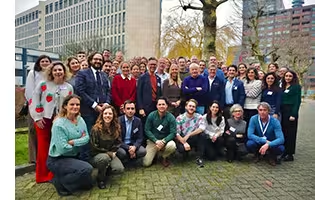
We are pleased to share that Ludger participated in the 1st Annual Meeting of Project INTERCEPT, which took place on 11–12 December in Amsterdam[cite: 1]. This milestone event brought together leading partners from Europe, the United States, and South Korea, marking an important step forward for this international collaboration[cite: 1].
Over two intensive days, partners worked to co-create innovative solutions aimed at advancing treatment strategies for Crohn’s disease[cite: 1]. The meeting fostered rigorous scientific discussion as the consortium aligned on its roadmap toward 2026 and beyond[cite: 1].
Ludger was proud to contribute its expertise to this global initiative, translating cutting-edge research into meaningful impact for patients[cite: 1].
Glycomics Differentiates Subtypes of Multiple Sclerosis
Oxford, December 2025
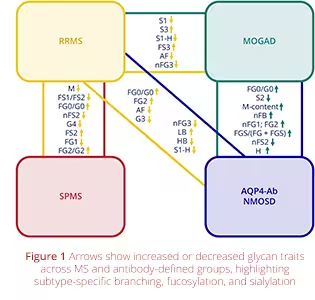
A recent study published in Neurology: Neuroimmunology & Neuroinflammation showcases the impact of advanced glycomics in understanding multiple sclerosis (MS)[cite: 1]. The research used Ludger’s high-resolution mass-spectrometry workflows to map N-glycan profiles in patients[cite: 1].
The team identified distinct changes in N-glycan branching, sialylation, and fucosylation that separate relapsing-remitting MS from progressive disease[cite: 1]. These results demonstrate how glycomics can enable more precise disease stratification and support the discovery of new biomarkers for neuroinflammatory conditions[cite: 1].
Glycan-Engineered Antibodies Boost Anti-Cancer Immunity
2025

A new study published in Cancer Research highlights the powerful role of antibody glycosylation in shaping anti-tumour immunity[cite: 1]. The research, led by King’s College London in partnership with Ludger, used advanced mass-spectrometry profiling to characterise tumour-reactive antibodies in breast cancer[cite: 1].
The team discovered specific N-glycan signatures associated with enhanced immune-cell activation and improved functional responses against tumour cells[cite: 1]. These findings underscore the potential of glycomics to guide next-generation therapeutic design[cite: 1].
Breakthrough Discovery of PNGaseL’s Broad N-Glycan Specificity
2025
A new study in collaboration with Ludger has unveiled the unique potential of PNGaseL[cite: 1]. Unlike PNGaseF, PNGaseL displays remarkable versatility, efficiently releasing mammalian-, plant-, and invertebrate-type complex N-glycans[cite: 1].
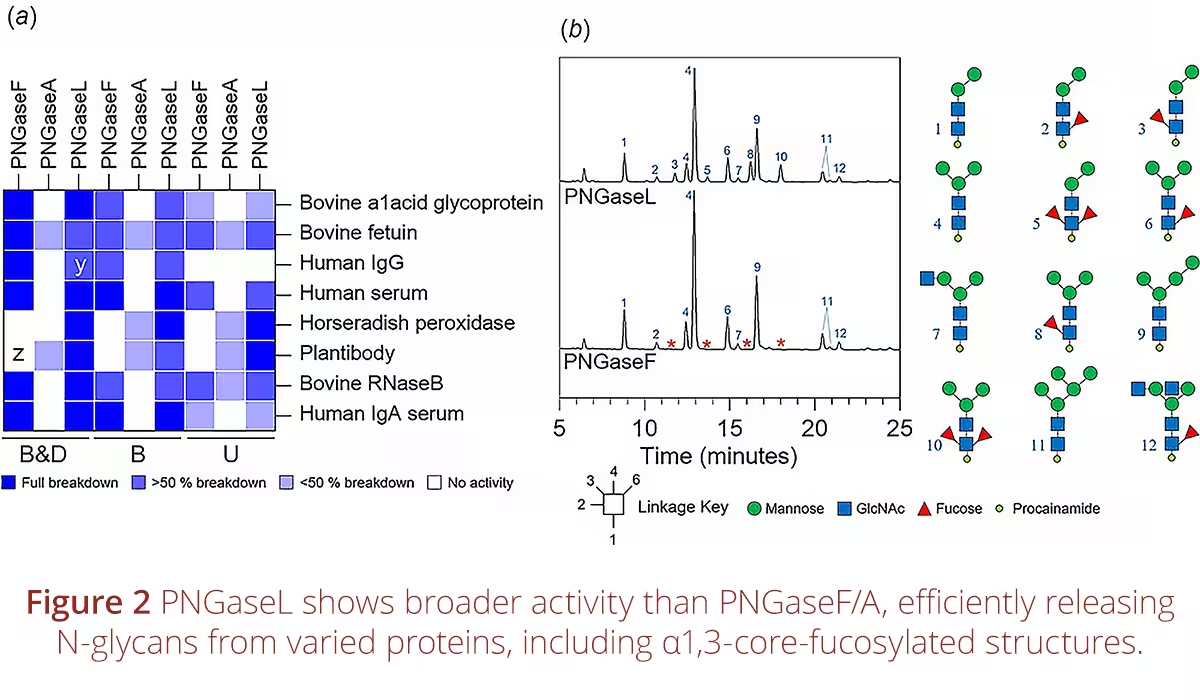
The findings position PNGaseL as a next-generation enzyme for advancing glycomics research, offering a level of specificity far beyond current tools[cite: 1]. It functions under standard conditions used for PNGaseF, making it highly compatible with established workflows[cite: 1].
Industrial Talk: Glycosylation as a Therapeutic Design Tool
York, UK — September 2025
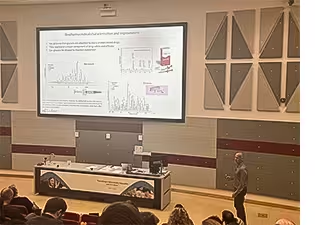
At the RSC Carbohydrate Group Winter Meeting 2025, Assoc Prof. Dr. Daniel Spencer delivered a presentation titled "Beyond Decoration – Glycosylation as a Therapeutic Design Tool"[cite: 1].
The talk focused on how strategically enhancing alpha2-3 linked sialylation can successfully extend a therapeutic protein's half-life in the body[cite: 1]. This mechanism leverages glycosylation as a powerful design element to significantly improve drug efficacy[cite: 1].
Sponsors of RSC Carbohydrate Group Winter Meeting 2025
Oxford, September 2025

Ludger Ltd is delighted to be one of the sponsors of the RSC Carbohydrate Group Winter Meeting 2025, taking place 22–23 September in York, UK[cite: 1]. This exciting symposium will bring together leading researchers from around the world to share the latest advances in carbohydrate chemistry and foster new collaborations[cite: 1]. We look forward to connecting with the community and celebrating innovation in the field[cite: 1].
Personalised Biomolecular Coronas: A New Frontier in Precision Diagnostics
2025
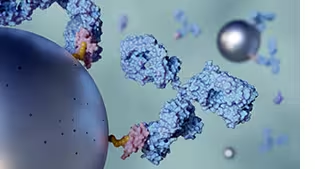
We are proud to announce our latest publication in Analytical Chemistry (Martinez-Serra et al., 2025), showcasing a breakthrough collaboration between our glycomics team and Dr. Marco Monopoli’s nanoscience group at RCSI[cite: 1]. Together, we have developed a novel multiple-exposure nanoparticle method that redefines how we study plasma and discover biomarkers[cite: 1].
When blood plasma is repeatedly exposed to fresh silica nanoparticles, layers of “biomolecular coronas” are formed[cite: 1]. Early exposures capture abundant clotting and transport proteins, while later exposures enrich immune and inflammatory factors[cite: 1]. This sequential fractionation effectively “peels back” layers of the plasma proteome and glycome, revealing hidden biomarker signatures normally masked by proteins like albumin[cite: 1].
Using advanced tools such as mass spectrometry and UHPLC, we traced progressive shifts in protein and glycan composition[cite: 1]. This creates a personalised corona profile unique to each individual, providing a non-invasive window into health status and disease risk[cite: 1].
Ludger at the 16th Jenner Symposium
Oxford, July 2025
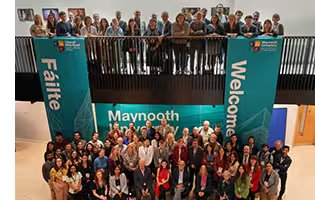
Ludger was one of the sponsors of the 16th Jenner Glycobiology and Medicine Symposium, held from 11th–13th June 2025 at Maynooth University, Ireland[cite: 1]. This global event highlights cutting-edge glycobiology research, with a focus on immunology, infection, cancer, and neurological disorders—areas central to Ludger’s mission of advancing glycoscience[cite: 1].
New Study Reveals Glycosylation Extends CHO rVWF Half-Life
2025

A recent publication in Blood titled, “Enhanced α2–3–linked sialylation determines the extended half-life of CHO-rVWF”, uncovers how specific glycosylation patterns significantly prolong the half-life of recombinant von Willebrand Factor (rVWF)[cite: 1]. The research shows that increased α2,3 sialylation reduces clearance via lectin receptors, resulting in enhanced stability[cite: 1].
Ludger contributed to this research through highly sensitive LC-MS analysis, enabling precise identification of the sialylation linkage differences[cite: 1]. This collaboration exemplifies how combining academic innovation with industry-leading analytical tools can accelerate the development of more effective biologics[cite: 1].
For more information, contact us at info@ludger.com[cite: 1].
Ludger was at the 3rd Glycoscience NL Symposium
2025

Ludger was honoured to be a proud sponsor of the 3rd Glycoscience NL Symposium, held on June 27th in Utrecht, Netherlands[cite: 1]. This annual event brings together leading experts in glycoscience to foster interdisciplinary collaboration[cite: 1].
As part of our sponsorship, Ludger delivered a featured talk, underscoring our commitment to advancing glycoscience research and its real-world applications[cite: 1]. The day concluded with vibrant networking sessions, strengthening existing partnerships and sparking new collaborations[cite: 1].
N-Glycan Release & Procainamide Labelling Module Kit
Oxford, May 2025
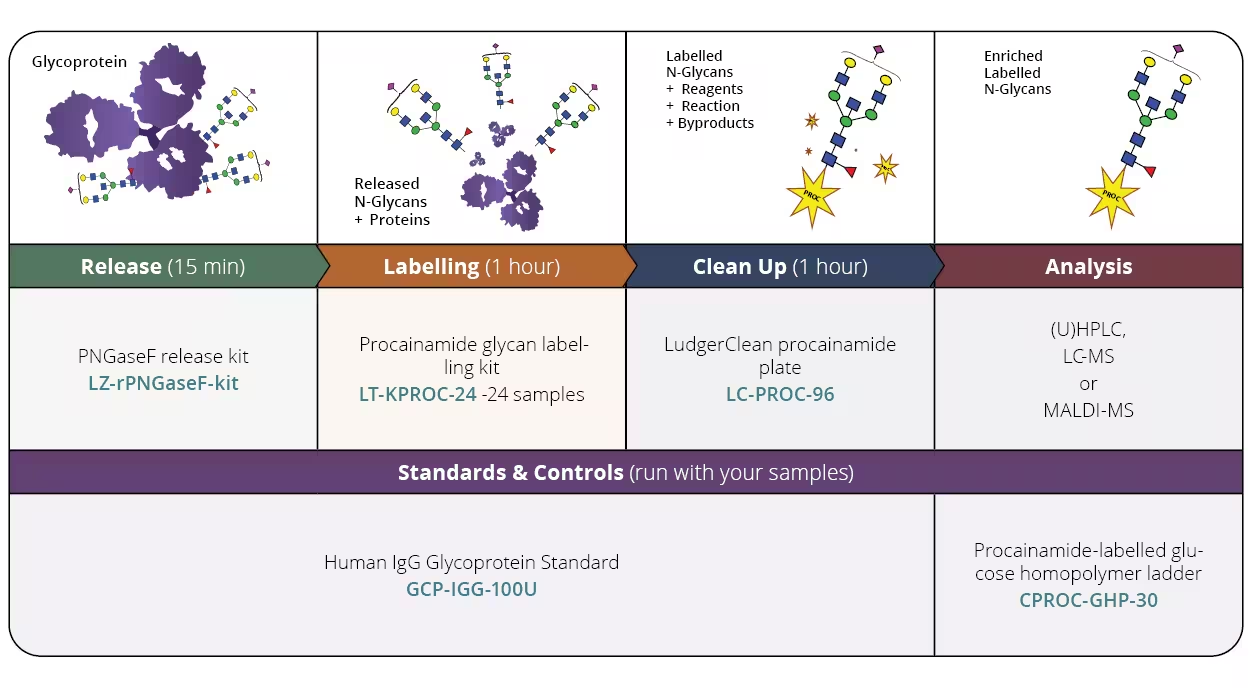
We are excited to launch our Procainamide Release and Labelling Bundle Kit, which includes the complete set of reagents and glycan standards required for N-glycan analysis of therapeutic samples[cite: 1].
LT-KPROC-VP24-MOD is designed to analyse of 24 samples and includes PNGase F enzyme for in-solution release of N-glycans, procainamide labelling kit and a clean-up plate for post-labelling clean-up[cite: 1]. The kit also includes an IgG glycoprotein standard to be used as a process control as well as a glucose homopolymer (system suitability standard)[cite: 1]. This protocol is the gold standard methodology for analysing N-linked glycans using (U)HPLC, LC-MS or MALDI-MS approaches[cite: 1].
16th Jenner Glycobiology and Medicine Symposium
Oxford, May 2025
Ludger is proud to be one of the sponsors of the 16th Jenner Glycobiology and Medicine Symposium, hosted at Maynooth University, Ireland, from 11th–13th June 2025[cite: 1]. This prestigious event explores groundbreaking research in glycobiology, with a focus on immunology, infection, cancer, and neurological disorders[cite: 1].
Visit our booth and attend our presentations:
- Potential Sialic Acid and Glycomic Biomarkers of Cardiovascular Disease - Dr Jack Cheeseman et al.[cite: 1]
- Nanoparticles as a platform for human plasma prefractionation - Dr Marco P. Monopoli et al.[cite: 1]
GlycanTrigger Consortium meeting in Paris
Paris, May 2025

The EU-funded GlycanTrigger Consortium is set to convene for its 3rd General Assembly Meeting on May 14–15, 2025, at Saint Antoine Hospital in Paris[cite: 1]. This gathering will showcase cutting-edge research on gut glycosylation and its far-reaching implications for precision medicine and modern healthcare[cite: 1].
Intercept Kick-Off Meeting in Berlin
Oxford, March 2025
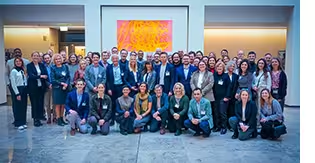
On February 19th, Ludger participated in the INTERCEPT Kick-Off Meeting in Berlin[cite: 1]. Funded by the Innovative Health Initiative with a €38 million budget, INTERCEPT is a groundbreaking effort in Crohn’s Disease research[cite: 1].
At Ludger Ltd, our cutting-edge glycan analysis technology plays a pivotal role in validating biomarkers that may revolutionise early detection and prevention[cite: 1]. Our commitment aligns with INTERCEPT’s mission: transforming Crohn’s Disease into a manageable challenge[cite: 1].
Ludger involved in advancing mucin glycan analysis!
Oxford, March 2025
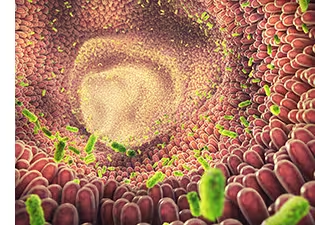
A recent publication in Nature Microbiology, titled “Carbohydrate-active enzymes from Akkermansia muciniphila break down mucin O-glycans to completion”, highlights the characterisation of enzymes involved in mucin degradation[cite: 1]. This study utilised advanced glycan analysis workflows, including:
- Fluorescent labelling of released O-glycans using the LudgerTag™ Procainamide Glycan Labelling Kit (LT-KPROC-96)[cite: 1].
- LC–FLD–ESI–MS Analysis providing detailed molecular insights into glycan composition[cite: 1].
Ludger a Proud Sponsor of Glycobiology Gordon Research Conference (GRC) 2025
Oxford, January 2025

Ludger is delighted to be one of the proud sponsors of the upcoming GRC conference, "The Biological Role of Glycans as Key Regulators of Life", taking place in Lucca, Italy, from 23rd to 28th March 2025[cite: 1]. The conference brings together scientists to advance glycobiology through pioneering research and mentorship[cite: 1].
Spotlight on Glycomics Collaboration with UCL
Oxford, January 2025

Dr Daniel Spencer, Head of Development at Ludger, has been invited to become an Honorary Associate Professor at UCL[cite: 1]. This prestigious recognition reflects Dr Spencer's contributions, including supervising over 15 doctoral candidates[cite: 1]. This partnership aims to advance the understanding of the plasma glycome and its role in personalized healthcare[cite: 1].
Introducing Our New IgG Glycopeptide Standard
Oxford, January 2025
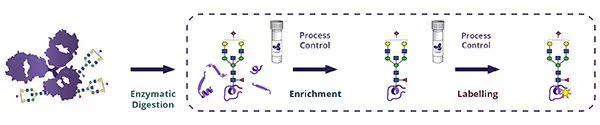
We are excited to announce the launch of our IgG Glycopeptide Standard, designed for peptide mapping, glycopeptide enrichment, and analysis in LC-MS and MALDI workflows[cite: 1]. Derived from purified human serum IgG, it provides a representative mixture of glycoforms, including sialylation and fucosylation[cite: 1].
Key Applications:
- Process Control: Monitor glycopeptide enrichment and labelling efficiency[cite: 1].
- System Suitability Standard: Ensure confidence in glycopeptide mapping experiments[cite: 1].

Order Now (Catalogue Number: GPEP-IGG-01) to elevate your glycopeptide analysis[cite: 1].